Find a Nashville Drone Company With FAA Certification to Fly Over People
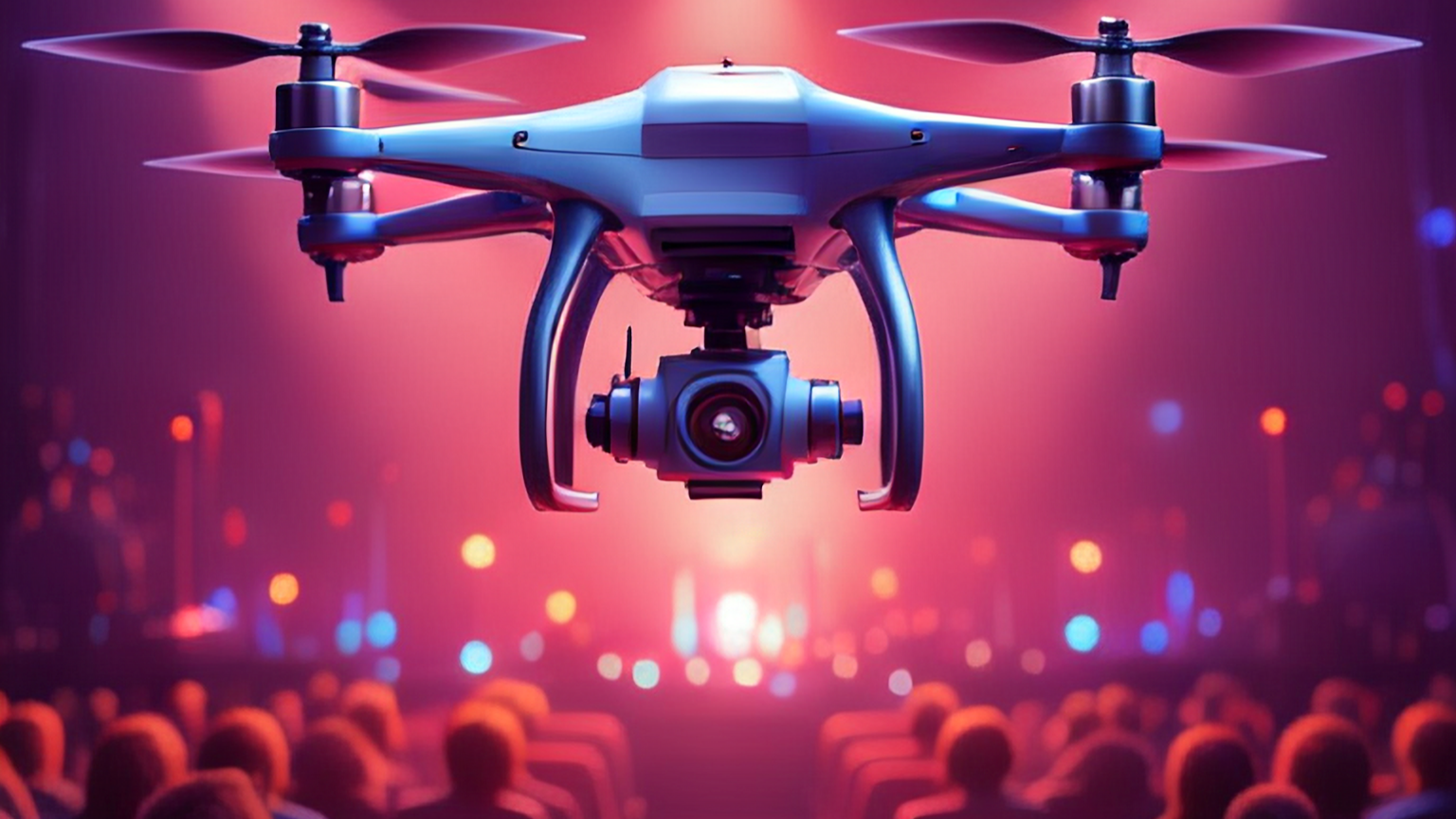
If you are planning a concert, a festival, a road race, or a construction project with a live traffic pattern running through it, and you want drone coverage of the actual crowd or the actual vehicles, there is a hard stop most drone companies in Nashville will run into. Standard Part 107 certification does not allow a drone to fly over people, and it does not allow sustained flight over moving vehicles either. A pilot without additional authorization has to keep the aircraft clear of the crowd entirely, which usually means the footage you actually wanted, the one sweeping over a packed lawn or gliding above a line of cars, is legally off the table.
Nashville Drone Co can fly that shot. Founder Keith Stancil holds FAA long term waiver number 107W-2026-01876, issued in September 2026, authorizing sustained flight over open-air assemblies and over moving vehicles. This is not a common certification, and understanding why it matters, and what to check before you hire anyone claiming to offer it, will save you from a canceled shoot or a legal problem down the road.
What a Waiver to Fly Over People Actually Requires
Standard Part 107 rules assume a drone stays clear of flying over people and moving vehicles. Flying legally over a crowd or a stream of traffic requires stepping outside that default, and the FAA does not hand that out casually. Getting there generally requires all of the following.
An approved FAA waiver under Part 107.39.
This is the specific regulation covering operations over human beings, and a waiver under it is what actually authorizes flight over people who are not part of the drone crew. Waivers are reviewed individually, and the FAA looks at the aircraft, the parachute or mitigation system attached to it, the operator's flight history, and the specific kind of operation being requested. A waiver covering a static photo shoot over an empty parking lot is a different animal than one covering sustained flight over a live concert crowd or a road full of moving vehicles, which is the category Nashville Drone Co's waiver falls into.
An ASTM compliant parachute or mitigation system.
A waiver over people requires the aircraft to carry a ASTM compliant parachute system that can bring it down safely and quickly if something fails mid flight, rather than letting it fall freely into a crowd below. ASTM International sets the technical standard these systems have to meet, F3322, covering how reliably the parachute deploys and how much it reduces impact energy. Not every drone on the market has one of these systems built for it, and that detail turns out to matter more than most people realize.
A drone the parachute system actually fits.
This is where a lot of confusion shows up, including from operators who should know better. An ASTM compliant parachute system has to be engineered and tested for a specific airframe. There is currently no ASTM compliant parachute system available for the DJI Mavic 4 Pro, the DJI Air 3, the Air 3S, or any drone in the DJI Mini series. That means a company advertising that they fly over people using one of those aircraft, or claiming those drones themselves are somehow compliant, is giving you false information, whether they realize it or not. Nashville Drone Co flies its waiver operations on the DJI Avata 2 and the DJI Mavic 3 Pro. Due to weight requirements, the DJI Avata 2 does not require a parachute and the DJI Mavic 3 Pro is equipped with the ParaZero SafeAir Drone Parachute Advanced Safety System, which is ASTM compliant and matched to those specific airframes.
Remote ID broadcast.
Every drone flying commercially in the United States is required to broadcast Remote ID, essentially a digital license plate that lets the FAA and law enforcement track the aircraft and its control station in real time. This becomes even more relevant during a waiver operation over a crowd, since it is one more layer of accountability tied directly to the flight.
Documented pilot experience and a clean operating history.
The FAA does not approve these waivers for pilots who just picked up a Part 107 certificate. Applicants generally need to show flight logs, prior experience operating safely in comparable conditions, and a clear operational plan for the specific kind of flight being requested. It is not paperwork that can be assembled overnight.
Insurance that actually covers the operation.
A waiver authorizes the flight legally. It does not remove the financial exposure if something still goes wrong. A drone company flying over a crowd needs liability coverage sized appropriately for that risk, not a generic policy that excludes operations over people.
Why This Waiver Matters for Concerts and Outdoor Events
Concert and festival footage is one of the clearest cases where this waiver changes what is actually possible. Without it, a drone has to stay well clear of the crowd, which limits shots to wide establishing views from a distance or angles that avoid the audience entirely. With the waiver, Nashville Drone Co can fly sustained passes directly over an open-air crowd, capturing the kind of immersive footage that shows the actual scale and energy of an event rather than a safe, distant wide shot. That capability also applies to road races, block parties, outdoor festivals, and any event where people are gathered in the open and the client wants footage that puts the viewer inside the crowd rather than outside looking in. It is the difference between a video that documents an event happened and one that makes someone watching it want to be there next year.
Why This Waiver Matters Over Moving Traffic
The moving vehicle side of the waiver solves a separate but related problem. Standard Part 107 operations require the drone to avoid sustained flight directly over roadways with active traffic, which becomes a real limitation on projects like marathon coverage, parade footage, or construction sites where trucks and equipment move continuously through the frame.
This is also where the waiver overlaps directly with construction work. Active job sites are rarely just a static structure. They involve dump trucks, concrete mixers, and other vehicles moving in and out constantly, often on a schedule that does not pause for a drone flight. A standard Part 107 pilot has to fly around that movement, timing shots for gaps in traffic and accepting some limitations on coverage. A pilot with a moving vehicle waiver can maintain sustained flight over the site without needing to dodge every truck that rolls through, which produces a more complete and more useful documentation record for a project manager or a developer tracking progress.
What to Check Before Hiring a Drone Company for an Event Over People
Given how specific and how rare this waiver actually is, a few direct questions will tell you quickly whether a company claiming this capability actually has it.
Ask for a copy of the waiver certificate.
A real FAA waiver includes a certificate, and the company should be able to provide it without hesitation. If you get a vague answer about being "fully certified" without a certificate attached, that is worth treating as a warning sign rather than an oversight. You should also ask for a copy of the actual waiver.
Ask which aircraft the waiver covers.
A waiver is tied to specific airframes equipped with a specific parachute system, not to the pilot's certification in general. If a company cannot tell you exactly which drone they will be flying and what safety system is attached to it, they likely do not have an actual waiver covering the operation you are asking about.
Ask what parachute system is installed and confirm it is ASTM compliant.
As covered above, this only works if the parachute system itself has been tested and approved for that specific aircraft. A generic answer like "our drones have safety features" is not the same as an ASTM compliant system with a name and a manufacturer behind it.
Ask whether the waiver actually covers your kind of event.
A waiver approved for a specific type of operation, say a stationary crowd at an outdoor venue, does not automatically extend to a completely different scenario like sustained flight over a moving marathon route. Ask specifically whether the waiver covers open-air assemblies, moving vehicles, or both, since Nashville Drone Co's waiver covers both categories.
Confirm insurance coverage that matches the risk.
Ask directly whether the company carries liability insurance that covers flight over people, not just a general commercial drone policy. A certificate of insurance should be something the company can produce immediately, not something they need a few days to track down. Some of the primary drone insurance companies do not cover flying over people.
Ask about backup planning.
Weather, mechanical issues, or last minute site restrictions can affect any flight. A company with real experience operating under a waiver should have a clear answer for what happens if conditions change on the day of your event, rather than treating the shoot as all or nothing.
Why So Few Drone Companies Have This
Getting an FAA waiver for sustained flight over people and moving vehicles is not a box most drone operators check off along the way to getting started. It requires a documented flight history, a specific ASTM compliant aircraft and parachute combination, and a formal application process that the FAA reviews on its own timeline rather than a fixed schedule anyone can plan around. Many companies never pursue it at all, since a large share of drone work, real estate, standard construction documentation, landscape photography, never actually requires flying directly over a crowd or a stream of traffic.
That is exactly why this waiver is a meaningful differentiator rather than a marketing footnote. A company that has gone through the process to secure it has demonstrated a level of operational discipline and safety planning that goes beyond the baseline Part 107 certificate every commercial drone pilot is required to hold. For an event organizer or a construction manager who actually needs footage over people or moving vehicles, that difference is not academic. It is the difference between getting the shot legally and not getting it at all.
Frequently Asked Questions
Does Nashville Drone Co have an actual FAA waiver, or just a standard Part 107 license?
Nashville Drone Co holds both. Founder Keith Stancil is FAA Part 107 certified, and he also holds long term FAA waiver number 107W-2026-01876, issued in September 2026, specifically authorizing sustained flight over open-air assemblies and over moving vehicles.
Which drones does Nashville Drone Co fly under the waiver?
Waiver operations are flown on the DJI Avata 2 and the DJI Mavic 3 Pro. The Avata 2 doesn’t require a parachute due to weight and the Mavic 3 Pro is fitted with the ParaZero SafeAir Drone Parachute Advanced Safety System, which is ASTM compliant and matched to that specific airframe.
Can a company legally fly a DJI Mavic 4 Pro, Air 3, Air 3S, or Mini series drone over a crowd?
Currently, not under an ASTM compliant parachute system, because no ASTM parachute currently exists for those airframes. Any company claiming otherwise, or claiming those drones are compliant on their own, is providing false information.
What kinds of events does this waiver cover?
The waiver covers sustained flight over open-air assemblies, such as concerts, festivals, and outdoor gatherings, along with sustained flight over moving vehicles, which applies to events like road races and parades as well as active construction sites with continuous vehicle movement.
Is this waiver required for regular construction site photography?
Not for standard documentation shot around scheduled breaks in vehicle movement. It becomes necessary when a site has continuous moving traffic, such as trucks and equipment running throughout the flight, and the client wants uninterrupted coverage rather than footage timed around gaps.
What should I ask before hiring any drone company for an event with a crowd?
Ask for a copy of the waiver certificate, the exact aircraft and parachute system it covers, whether it applies to your specific type of event, and whether the company carries liability insurance sized for flight over people.
Why don't more Nashville drone companies have this waiver?
It requires a documented flight history, a specific ASTM compliant aircraft and parachute combination, and a formal FAA review process. Most drone work does not require flying directly over crowds or traffic, so many companies never pursue it.
Work With Nashville Drone Co
If your event, concert, festival, or construction project needs drone coverage over people or moving vehicles, Nashville Drone Co can fly it legally under an active FAA waiver, not a workaround or a wide shot from a safe distance. Reach out to talk through your event or project and confirm what coverage is possible under the waiver. info@nashvilledrone.co