What 20 Years in Music Marketing Taught Me About Flying a Drone For Commercial Clients
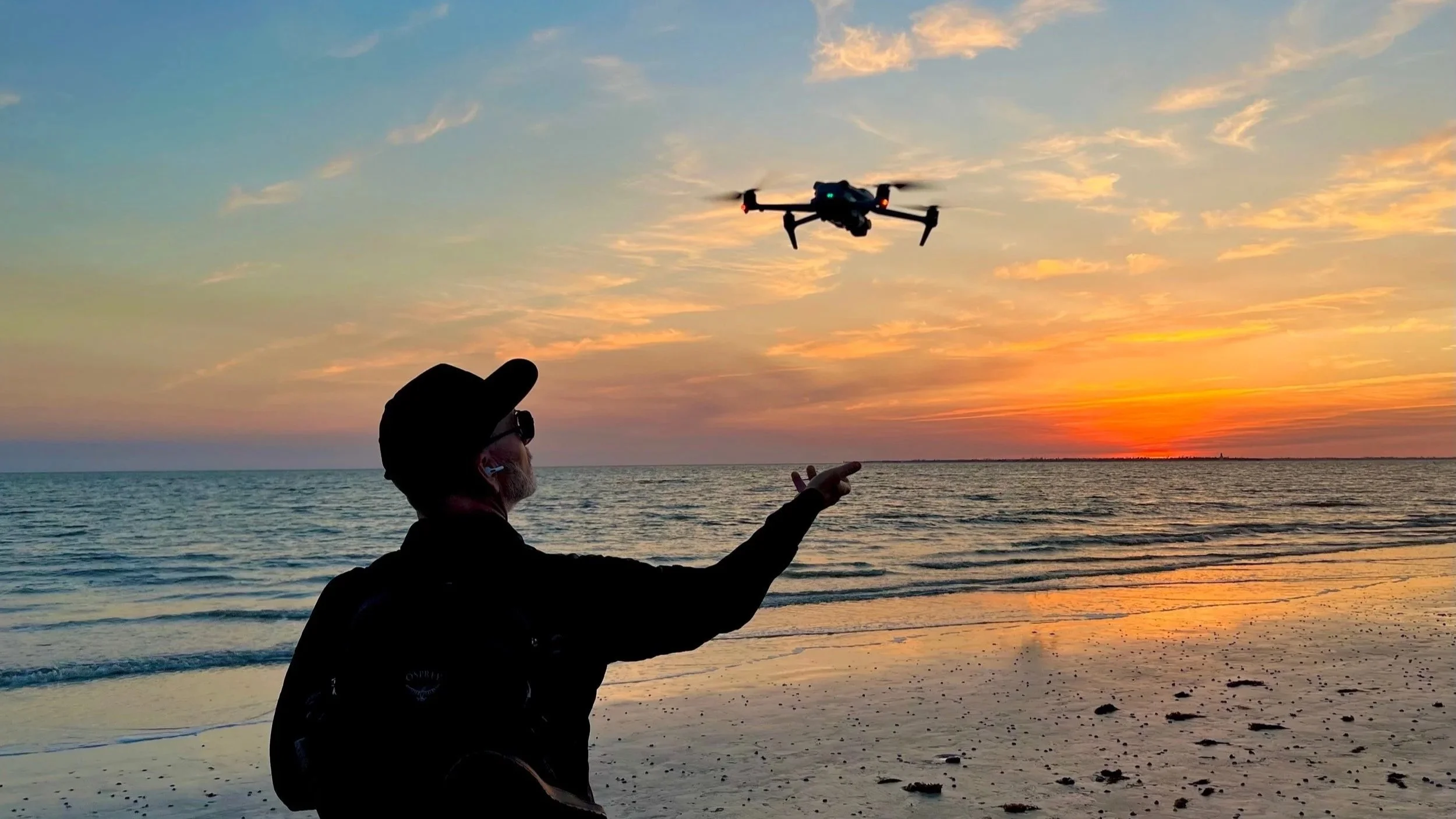
Anyone can learn to fly a drone in a weekend. The controls are not complicated, and the FAA test that comes with getting licensed is mostly a matter of studying airspace charts and weather patterns until they stick. What is much harder to learn, and what most people flying drones commercially in Nashville have never had to learn, is how to make footage that actually gets someone to feel something and then act on it.
That distinction is the entire reason Nashville Drone Co exists in its current form. Before founder Keith Stancil ever piloted a drone, he spent more than twenty years working inside the music industry, managing marketing divisions for major labels and later running his own artist management firm. That background did not just come along for the ride when he started flying drones. It became the foundation the whole business is built on.
Here is what that experience actually taught him, and why it changes the way a drone shoot gets planned from the very first phone call.
A Shot Is Not Content Until It Has a Job to Do
In the music industry, nothing gets released without a purpose behind it. A single is not just a song, it is a piece of a campaign designed to build toward an album launch, a tour announcement, or a specific moment in an artist's career. Every asset has a job. Most drone footage does not get treated that way. A pilot shows up, flies around a property or a job site, and hands over a folder of clips. There is rarely a plan for what any individual shot is supposed to accomplish once it lands in a client's hands. Keith brings the campaign mindset to every project instead. Before a drone leaves the ground, the question is not just what does this location look like from above, but what is this footage actually going to be used for. A real estate listing video needs to make a buyer picture living there within the first ten seconds. A construction milestone video needs to communicate scale and progress to investors who may never set foot on the site. A brand campaign needs a shot that stops someone mid scroll. Each of those goals calls for a completely different shot list, pacing, and edit, and none of that gets figured out by accident once the footage is already sitting on a hard drive.
Pacing Is a Skill, Not an Accident
Anyone who has worked in music marketing has sat through countless conversations about sequencing. Where does the hook land. How long before the energy shifts. What comes right before the chorus hits. That kind of thinking about rhythm and timing does not disappear just because the medium changes from a three minute song to a ninety second aerial video. A lot of drone footage feels the same because it is edited the same way every time: wide shot, slow push in, maybe a rotation around the subject, done. There is nothing wrong with that approach for simple documentation, but it rarely holds attention past the first few seconds.
Keith edits aerial footage the way a track gets sequenced. Where does the video need a big wide shot to establish scale. Where does it need a fast, close pass to create energy. Where does the pacing need to slow down so a viewer can actually absorb a detail, like the texture of a building facade or the layout of a piece of property. None of that is instinctive to someone who has only ever operated a drone. It is a skill built from years of deciding what keeps an audience engaged and what makes them tune out.
Knowing the Audience Changes the Shot List
Marketing a country album to a Nashville audience and marketing that same artist to an international market are two completely different jobs, even though the music itself does not change. The same principle applies to aerial content, and it is something most drone operators never think about because they are focused on the flight itself rather than who is going to be watching the finished product. A shot list built for a luxury real estate listing needs to sell a lifestyle. A shot list built for a construction company's investor update needs to communicate credibility and progress. A shot list built for a brand's social media campaign needs to be built for vertical video and a three second attention span. These are not small stylistic differences. They change camera angles, flight paths, editing pace, even color grading choices.
Understanding an audience before the first shot is planned is second nature to Keith Stancil after two decades of building marketing strategies around different buyers, different demographics, and different platforms. It is one of the biggest gaps between a drone operator who simply flies well and one who produces footage that actually performs.
Production Pressure Teaches Preparation
Working in the music industry means working around deadlines that do not move. An album street date does not shift because a mix is not finished. A tour announcement does not wait because a marketing asset is not ready. That kind of pressure forces a level of preparation that becomes permanent once it is learned. That same discipline carries over directly into high stakes aerial work. Filming live broadcast coverage, documentary production, or a national ad campaign leaves no room for a reshoot the next day. If a shot gets missed during a live event, it is gone. That reality demands a level of pre planning that most local drone operators, who are used to flexible timelines and forgiving clients, have never had to develop. That means studying the location in advance, planning flight paths around obstacles and airspace restrictions, checking weather windows days ahead rather than the morning of, and having a backup plan if conditions change. None of that comes from a weekend spent learning to fly. It comes from years of operating in an industry where there was never a second chance to get something right.
Storytelling Is the Real Skill, Flying Is Just the Tool
None of this is meant to downplay the technical side of drone piloting. Flying safely in dense urban airspace, around active construction sites, or in changing weather conditions is a real skill that takes real training and experience to do well. FAA Part 107 certification is the baseline for operating legally and safely, and that baseline matters. But flying a drone well and telling a story well are two entirely different skill sets, and only one of them can be learned from a certification test. The drone is a tool, the same way a camera or a mixing board is a tool. What makes footage worth watching, and worth paying for, is the thinking that happens before and after the flight itself, not just the flight. That is the biggest lesson two decades in entertainment marketing left behind. A great shot is not the goal. A shot that makes someone stop, feel something, and take an action, whether that is calling about a property, investing in a project, or remembering a brand, that is the actual job. The drone just happens to be how that job gets done today.
The Part Nobody Talks About: Managing the Client Relationship
There is another piece of this that rarely comes up when people talk about drone videography, and it has nothing to do with flying. In the music industry, managing an artist or a marketing campaign means constantly translating between people who all want something slightly different. A label wants radio friendly. An artist wants creative integrity. A promoter wants ticket sales. Learning to listen to all three and find the overlap is its own skill, separate from music itself. That same translation work happens on every drone project. A property developer wants footage that impresses investors. A real estate agent wants footage that sells a listing fast. A construction company wants footage that documents progress without making a job site look behind schedule. None of those goals get stated outright at the start of a conversation. Part of the job is figuring out what a client actually needs, sometimes before they have fully put it into words, and building a plan around that rather than just asking what shots they want. This is where a lot of technically skilled drone pilots fall short. They can execute a shot list flawlessly, but if nobody asked the right questions before the shoot, the footage ends up technically impressive and strategically useless. Two decades of sitting in rooms with people who all wanted different things builds a kind of listening that carries directly into every client conversation now.
Why This Matters More in a Crowded Market
Drone videography has become an increasingly common service, and the barrier to entry is low. A capable drone, a Part 107 certificate, and a weekend of practice is enough to start offering flights for hire. That accessibility is good for the industry overall, but it also means the market keeps filling up with operators who can produce technically clean footage without much strategic thinking behind it. That shift makes a marketing background more valuable, not less. When flying skill alone stops being a differentiator, the thing that separates useful footage from forgettable footage is exactly the part that cannot be picked up in a weekend course: knowing why a shot works, who it needs to reach, and what it needs to make that person do next. None of this is a knock against pilots with a purely technical background. Flying skill matters most when conditions get difficult, whether that is tight downtown airspace or an active job site full of moving equipment. But flying well and producing footage that performs are two different outcomes.
Bringing That Mindset to Every Project
This is not a philosophy that only applies to national campaigns or high profile productions. It applies just as much to a small business owner who needs social media content or a homeowner selling a property in Franklin. The questions stay the same regardless of budget or scale, who is this for, what should they feel, and what should they do next. That approach is what separates content that documents something from content that actually moves people to act. Two decades in marketing did not teach flying skills. It taught the part that happens before the drone ever takes off and after it lands, and that part turns out to be the one that matters most.
We would love to help you capture content that tells the story you want to tell. Contact us to get your project started. info@nashvilledrone.co