What Are the Key FAA Drone Rules for Nashville?
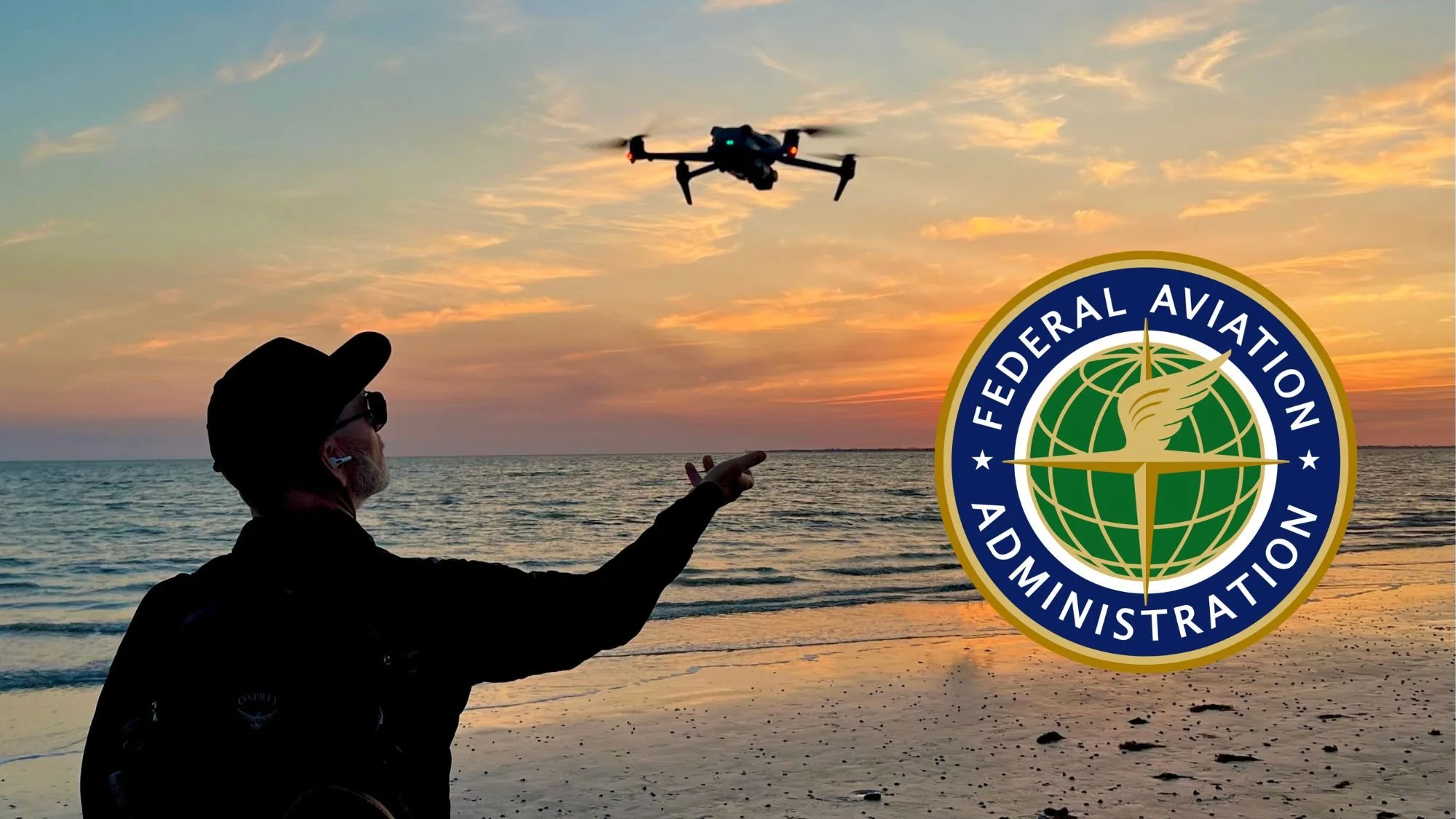
Nashville's skyline has changed fast over the past few years, and so has the number of people flying drones over it. Real estate agents want aerial listings, construction companies want progress footage, and event venues want that sweeping shot of downtown at golden hour. All of that is possible, but it comes with a set of federal rules that do not bend just because the shot looks good. The Federal Aviation Administration regulates every inch of airspace above Nashville, and that includes the low altitudes where most commercial drone work happens. Whether you are a business owner thinking about hiring a drone operator or someone considering flying one yourself, understanding these rules matters more than most people realize, especially in a city with an active international airport sitting close to the urban core.
Why Nashville's Airspace Is More Complicated Than It Looks
Nashville International Airport, known as BNA, sits just southeast of downtown, and its controlled airspace stretches out in a way that touches a lot of the city's most popular filming locations. Areas around The Gulch, SoBro, Music Row, and even parts of Brentwood and Donelson fall under airspace classifications that require authorization before a drone ever leaves the ground. This is where a lot of amateur flyers run into trouble without realizing it. Flying in Class B, C, D, or certain Class E airspace without clearance is not a gray area. It is a violation, and the FAA has been increasing enforcement in recent years as drone traffic has grown nationwide. It also is not just BNA that pilots need to think about. Smaller general aviation airports scattered across the surrounding counties, from John C. Tune to fields near Smyrna and Lebanon, add their own layers of controlled airspace outside the downtown core. A pilot who only checks for restrictions near the interstate loop can still end up flying illegally in a suburb thirty minutes away. Knowing the airspace map for the entire region, not just the parts closest to downtown, is part of what separates a professional operation from a hobbyist mistake waiting to happen.
The Key FAA Rules Every Nashville Drone Operator Should Know
Part 107 Governs Almost All Commercial Flights
If a drone is being flown for any kind of business purpose, whether that is real estate photography, construction documentation, wedding videography, or even a social media post that generates ad revenue, it falls under 14 CFR Part 107. This is the FAA's Small UAS Rule, and it requires the pilot to hold a Remote Pilot Certificate earned by passing an FAA knowledge test. A lot of people assume that using a lightweight, sub-250 gram drone gets them out of this requirement. It does not. Weight only matters for recreational flying, and the moment money or business is involved, Part 107 applies regardless of the drone's size.
Airspace Authorization Is Required Near BNA
Because of Nashville International Airport, a meaningful portion of the metro area sits inside controlled airspace. Pilots need authorization through the Low Altitude Authorization and Notification Capability system, commonly called LAANC, before flying in these zones. Approvals often come through in seconds for straightforward requests, but that only works if the pilot actually checks their airspace before flying rather than assuming it is clear.
Altitude and Visual Line of Sight Limits Still Apply
Part 107 caps most commercial flights at 400 feet above ground level, and pilots are required to keep the drone within visual line of sight at all times unless they are operating under a specific waiver. This rule exists for a simple reason. A pilot who can see their aircraft can react to a manned helicopter, a sudden gust of wind, or an obstacle before it becomes a problem.
Operating Over People Has Specific Requirements
Nashville hosts a packed calendar of festivals, concerts, and outdoor events, which makes the FAA's rules on flying over people especially relevant here. Since the Operations Over People rule took effect, pilots can fly over people and moving vehicles without a waiver, but only if their specific drone meets the categorized safety requirements tied to weight and potential impact risk. This is not a blanket permission. It depends entirely on the aircraft being flown and how it is equipped.
Remote ID Is Now Mandatory
Every drone that requires FAA registration must broadcast Remote ID information during flight, which functions similarly to a digital license plate. This applies almost universally at this point, with limited exceptions for flights within a Federally Recognized Identification Area. For a city like Nashville with active air traffic and a growing drone community, Remote ID gives the FAA and local authorities a way to identify who is flying and confirm they are doing so legally.
Top 5 FAA Drone Rules That Matter Most in Nashville
A Remote Pilot Certificate is required for any commercial flight, no matter how small or simple the job seems.
Airspace authorization through LAANC is required near BNA, which covers a large stretch of the Nashville metro area.
Altitude is capped at 400 feet, with visual line of sight required unless a waiver is in place.
Flying over people or moving vehicles has strict conditions tied to the specific drone and its safety category.
Remote ID broadcasting is mandatory for nearly all registered drones operating in the area.
Why Awareness of FAA Rules Matters When You Are Hiring a Drone Company
Most business owners are not going to memorize FAA regulations, and they should not have to. What matters is knowing enough to ask the right questions before hiring someone to fly over a property, a job site, or an event. A drone operator who cannot clearly explain their certification, their airspace authorization process, or their approach to flying near BNA is a liability, not a convenience. This is where Nashville Drone Co has built a reputation that stands apart from a lot of the smaller, less experienced operators in the market. Every pilot on their team is FAA certified under Part 107, and they treat airspace compliance as a non-negotiable part of every project rather than an afterthought. Before a single flight, they check controlled airspace, secure LAANC authorization when needed, and plan the flight path with the same seriousness a manned aircraft pilot would apply. That level of discipline is not just about staying out of legal trouble. It protects the client too. A construction company, a real estate brokerage, or a wedding venue that hires an uncertified or careless operator can end up dealing with fines, grounded footage, or worse, an actual safety incident. Choosing a company that treats FAA compliance as core to how they operate is one of the simplest ways to avoid that entirely.
There is also a practical business reason to care about FAA rules beyond safety. Insurance carriers, HOAs, and event venues across Nashville increasingly ask for proof of Part 107 certification and liability coverage before allowing a drone on their property. A hotel hosting a corporate event or a general contractor managing a job site can be exposed to liability if an uninsured, uncertified pilot causes damage while filming. Working with a properly certified team removes that risk and often speeds up approval to fly on-site in the first place.
The Markets Nashville Drone Co Serves
Nashville Drone Co operates well beyond just the downtown core. Their FAA certified pilots regularly serve clients throughout Nashville, Brentwood, Franklin, Spring Hill, Nolensville, Columbia, Murfreesboro, Smyrna, Mt Juliet, Lebanon, and College Grove, along with other communities across Middle Tennessee. Each of these markets comes with its own mix of airspace considerations, from the controlled zones near BNA to the more open airspace found in the surrounding counties, and having a team that understands those differences makes a real difference in how smoothly a project runs.
Frequently Asked Questions
Do I need a license to fly a drone in Nashville?
If you are flying for any business purpose, yes. You need a Remote Pilot Certificate under Part 107. Purely recreational flyers do not need this certificate but must pass the free TRUST test and follow recreational flying rules.
Can I fly a drone near downtown Nashville?
It depends on the specific location and altitude. Much of the area around downtown falls under controlled airspace tied to BNA, which means LAANC authorization is required before flying.
What happens if I fly without proper authorization?
Penalties can include fines, and the FAA has increased enforcement in recent years using data from registration and Remote ID systems. Repeat or serious violations can also affect future certification.
Is Remote ID required for every drone?
Almost every drone that requires FAA registration must broadcast Remote ID, with limited exceptions for flights inside designated identification areas.
Why does it matter which drone company I hire?
An operator without proper certification or airspace knowledge puts your project, your property, and potentially public safety at risk. Working with a company that prioritizes FAA compliance protects you from legal and safety issues down the line.
Final Thoughts
Nashville's growth has made it one of the more exciting cities in the country to fly a drone, but that same growth has made the airspace more complex to navigate safely. Understanding the basics of Part 107, airspace authorization, and Remote ID is useful whether you plan to fly yourself or hire someone else to do it. For businesses that want the work done right the first time, partnering with a company like Nashville Drone Co, one built around FAA compliance and real experience across Middle Tennessee, is the difference between a smooth project and a costly mistake.
Contact Nashville Drone Co to get your FAA compliant drone video or aerial project scheduled. info@nashvilledrone.co