How World Cup Flight Restrictions Are Grounding Local Drone Pilots in Nashville
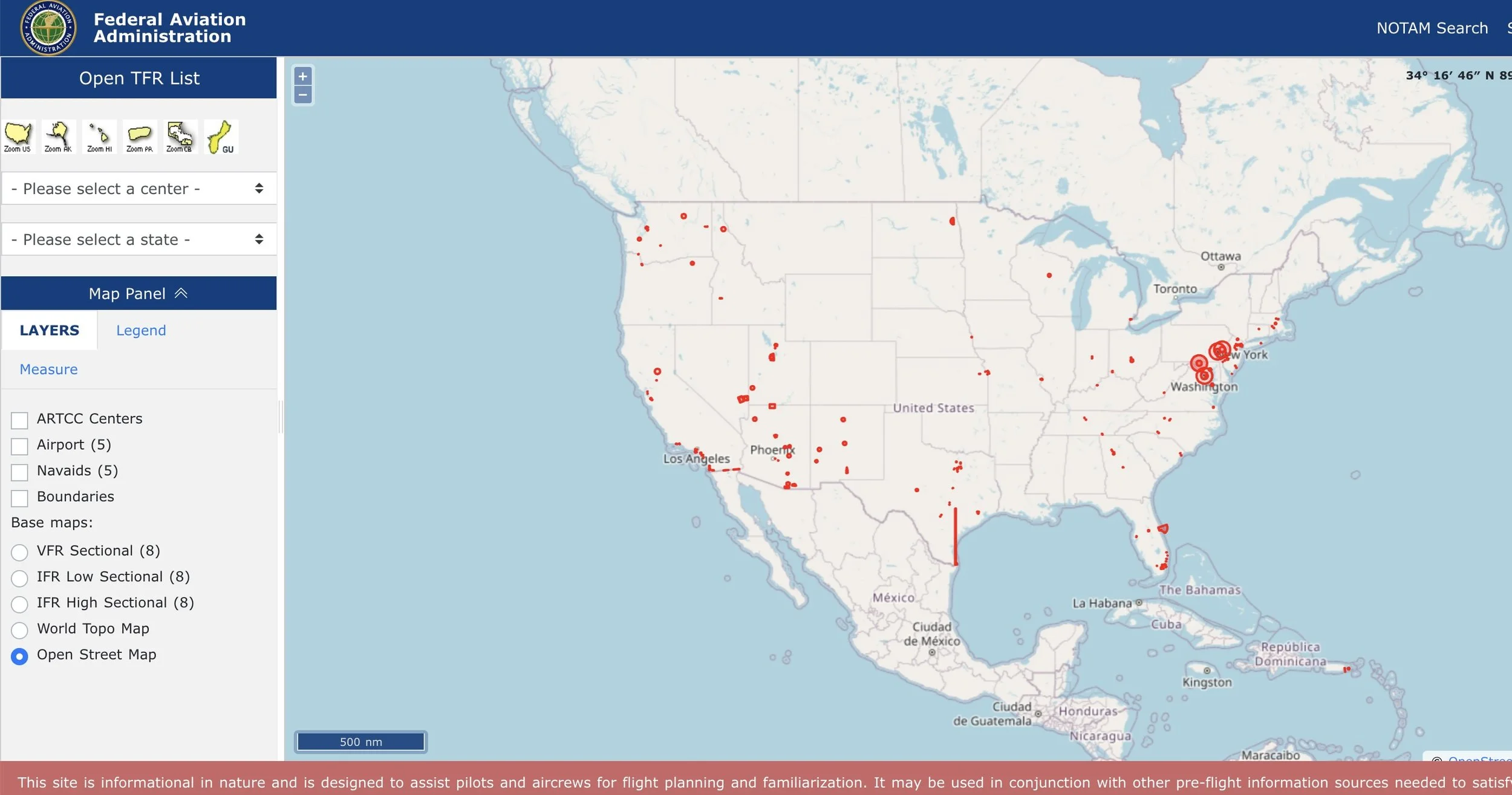
FAA TFR MAP
If you have tried to fly a drone over downtown Nashville this summer, you have probably run into a wall you did not expect. A Temporary Flight Restriction has been sitting over parts of the city since June 1, and it is not scheduled to lift until July 20. For a drone services business, that is not a minor inconvenience. That is nearly two months of the calendar where some of our most valuable work, real estate listings, construction documentation, event coverage, and brand video, simply cannot happen the way it used to.
Here is what is actually going on, why it is happening, and what it means if you operate a drone commercially in or near a city affected by the 2026 FIFA World Cup.
What Is a Temporary Flight Restriction, Exactly?
A Temporary Flight Restriction, or TFR, is a rule the FAA puts in place to block aircraft, including drones, from operating in a specific area of airspace for a limited time. TFRs show up for wildfires, presidential travel, major sporting events, and security operations. They are published through Notices to Airmen, or NOTAMs, and pilots are required to check for them before every flight. Most TFRs are short. A presidential visit might close airspace for a few hours. A stadium event might restrict the area for the duration of a game plus an hour on either side. What is happening with the World Cup is different. These restrictions are not measured in hours. They are measured in weeks, in some cases closer to two months.
The World Cup Has Turned Entire Cities Into No-Fly Zones
The FAA has designated all 2026 FIFA World Cup stadiums and related event spaces as No Drone Zones for the length of the tournament, which runs from June 11 through July 19. On match days, the restriction covers a three-nautical-mile radius around the stadium, up to 3,000 feet. Fan events carry their own one-nautical-mile, 1,000-foot restriction. Violating either one carries fines up to $75,000 per violation, criminal penalties that can reach a year in prison and a $100,000 fine, and permanent seizure of the aircraft.
That part, while disruptive, at least makes intuitive sense. Stadiums hosting actual matches need tighter security. What has caught many drone operators off guard is a second layer of restrictions tied to team base camps, the hotels and training facilities where national teams stay between matches, regardless of whether that city is hosting a single game. This is exactly the situation in Nashville.
Why Downtown Nashville Has a Nearly Two-Month TFR
Nashville is not hosting a World Cup match. There is no stadium here on FIFA's official host city list. And yet downtown Nashville has been under an active drone restriction since June 1, running through July 20, roughly seven weeks, because Japan's national team selected Nashville SC's facility as its base camp for the tournament.
The FAA's logic, as best we can tell, is that these base camp TFRs are treated as a security matter tied to the presence of the team itself, not the presence of a match. The restriction follows the team to wherever they are training and sleeping, not just to wherever they are playing. That has resulted in TFRs covering places far outside the 11 official U.S. host cities, including Boise, Louisville, and Sandy, Utah, cities with no World Cup matches at all but a team base camp nearby. For Nashville, that means a restriction is sitting over parts of downtown for the better part of two summer months, all because a soccer team based here for training is, in the FAA's framing, a "special security" concern.
We want to be careful about how we say this next part, because it is not really about soccer, and it is not about Japan specifically. It is about scale. A single team's training schedule, for a tournament Nashville is not even hosting, has resulted in a restriction that runs longer than most hurricane recovery TFRs. That is a strange outcome, and it deserves more scrutiny than it has gotten.
What This Means for Local Drone Businesses
We are not writing this from the sidelines. Nashville Drone Co has been directly affected by this TFR, and we suspect we are not alone.
Real estate listings do not pause because of a flight restriction. Neither does construction progress, and neither do the events our clients have already booked. When a property in the restricted zone needs aerial photography for a listing going live next week, or a construction site needs its scheduled progress documentation, a multi-week TFR does not just delay the shoot. It can cost the client the deal, the listing window, or the marketing moment they were counting on.
We have lost real, high-value opportunities during this window. Jobs that would have gone forward without a second thought in any other month of the year have instead gone to operators outside the restricted area, gotten pushed to ground-level photography as a fallback, or simply gotten canceled. For a small, local business, that is not an abstract inconvenience. That is real revenue that does not come back.
The Waiver Process Is Not a Practical Solution
The FAA does have a path for flying inside a TFR. It is called the Special Governmental Interest process, or SGI, built for a certified Part 107 pilot who needs authorization to operate inside restricted airspace for a legitimate purpose.
In theory, that should solve the problem. In practice, the SGI process is slow, document-heavy, and built around a level of operational detail most commercial drone jobs were not designed to produce on short notice. We have applied for waivers during this TFR window, and the experience has been genuinely difficult: extensive documentation requirements, long response times, and a process that does not seem designed with a small business's actual timeline in mind. A real estate listing that needs photography this week cannot wait on a request that may take days or weeks to resolve, if it resolves at all.
This is not a complaint about the existence of airspace security. Security around a national team's training facility is a reasonable goal. The complaint is about the mechanism. If the FAA is going to restrict commercial drone operators from a meaningful part of their livelihood for nearly two months, the path back into that airspace should be fast and clear. Right now, it is neither.
The FAA Needs to Rethink How These Waivers Work
This problem is bigger than one TFR in one city. The current waiver and authorization system was not built with a seven-week, recurring commercial impact in mind. It was built around occasional, short-duration disruptions: a presidential visit, a single game, a one-day event. The World Cup base camp TFRs have exposed a real gap. There is no fast, proportionate way for a legitimate, certified commercial operator to request limited, supervised access during an extended restriction like this one.
A simpler, faster review process, one matched to the actual length and recurring nature of these modern security TFRs, would let legitimate commercial operators keep working without compromising the security goals the restriction is meant to serve. Right now, the burden falls almost entirely on small operators with no real recourse beyond waiting it out.
We Have Reached Out to Our Representatives
Given the impact this has had on our business and others like it, we have contacted our elected representatives directly. Senator Marsha Blackburn and Representative Andy Ogles have both been made aware of the concern, and we understand they are raising the issue with the FAA on behalf of constituents affected by this restriction. We think that is the right next step, and we would encourage any other Middle Tennessee business dealing with the same problem to do the same. The more specific, documented impact the FAA hears about, lost jobs, missed listings, delayed construction documentation, the more likely this gets addressed before the next major event triggers the same outcome somewhere else.
What Drone Pilots and Businesses Should Do Right Now
If you are operating in or near a city with an active World Cup TFR, whether it is a host city or a base camp city like Nashville, a few practical steps matter right now.
Check NOTAMs before every flight, not just once at the start of the tournament. TFR boundaries and dates have shifted as FIFA's plans have changed, and the FAA updates them accordingly. The B4UFLY app and the FAA's TFR website are the most reliable places to confirm current restrictions before you launch.
If a job absolutely requires flying inside a restricted area, start the SGI waiver process as early as possible and be ready for a longer timeline than you would like. Build that into client expectations from the start of the conversation, not after a flight gets grounded.
For everything else, plan shoots just outside the restricted boundary where possible, or reschedule for after July 20 if the timeline allows it. It is not the answer anyone wants, but it is the realistic one until the restriction lifts.
And if this has affected your business the way it has affected ours, consider reaching out to your own representatives. This is the kind of problem that gets solved when enough people with real, specific impact say so.
The Bigger Picture
Nashville Drone Co supports reasonable airspace security. We are FAA Part 107 certified, fully insured, and we take the rules around restricted airspace seriously on every project. What we are pushing back on is not the idea of security, it is a process that treats a seven-week commercial shutdown the same way it treats a two-hour stadium restriction, with no faster path back to work for the legitimate operators caught in between.
We will keep flying where we are allowed to fly, keep applying for waivers where the work requires it, and keep documenting the impact this has had on our business and our clients. If you are dealing with the same thing, you are not imagining it, and you are not alone.
Have questions about how current TFRs might affect your upcoming project? Contact Nashville Drone Co and we will help you plan around it.
Book a Drone Pilot for Event Coverage in the Nashville Area
Nashville Drone Co Event Reel
Event coverage has evolved far beyond traditional photography and handheld video. In a city like Nashville, where energy, growth, and creativity intersect, capturing the full scope of an event requires a modern approach. Drone video and photography have become a powerful tool for event organizers, brands, churches, and businesses that want to document and promote their gatherings with clarity and impact. If you are planning an event and considering hiring a drone pilot, understanding the process, benefits, and expectations can help you make the right decision. Booking a professional drone pilot in the Nashville area is not just about getting footage from above. It is about capturing the full story of your event in a way that connects with your audience and extends the life of your content.
Why Drone Coverage Matters for Events
Events are dynamic. People are moving, environments are changing, and key moments happen quickly. Traditional ground-based coverage often misses the scale and flow of what is happening. Drone video fills that gap by providing perspective and context. For large outdoor events such as festivals, conferences, church gatherings, or grand openings, drone footage helps showcase attendance, layout, and atmosphere. It allows viewers to understand how everything comes together, from crowd engagement to venue design.
Drone coverage is also highly effective for marketing. Event organizers can use the footage for social media, promotional videos, recap edits, and future advertising. In a competitive city like Nashville, high-quality visual content plays a major role in standing out.
Types of Events That Benefit from Drone Coverage
Drone video and photography are versatile and can be used across many types of events. In the Nashville area, some of the most common include:
Corporate Events
Businesses hosting conferences, product launches, or company celebrations benefit from drone footage that captures scale and professionalism. It helps communicate brand strength and organization.
Church and Faith Based Gatherings
Large church events, outdoor services, and conferences can be documented in a way that highlights community and participation. Drone footage is especially useful for recap videos and future promotion.
Festivals and Community Events
Nashville is known for its vibrant festivals and local gatherings. Drone coverage helps showcase crowd size, vendor layouts, and the overall experience.
Real Estate and Development Events
Groundbreakings, ribbon cuttings, and development announcements benefit from aerial documentation. It provides context for location and progress.
Weddings and Private Celebrations
While more controlled and regulated, drone footage can add a unique visual layer to weddings and private events when handled by an experienced pilot.
What to Look for When Booking a Drone Pilot
Not all drone pilots offer the same level of professionalism or experience. When booking a drone pilot for event coverage in Nashville, there are several key factors to consider.
FAA Licensing and Insurance
A professional drone pilot should be certified under FAA Part 107 regulations. This ensures they understand airspace rules, safety procedures, and operational guidelines. Insurance is equally important to protect both the pilot and the client.
Experience in Event Coverage
Flying a drone at an event is very different from capturing real estate or landscapes. Events require awareness of people, timing, and movement. An experienced pilot knows how to capture key moments without disrupting the event.
Knowledge of Nashville Airspace
Nashville presents unique challenges for drone operations. Areas near downtown often have restricted airspace and poor GNSS signal due to buildings and infrastructure. A skilled local pilot understands these challenges and plans accordingly.
Professional Editing and Delivery
Capturing footage is only part of the process. The final deliverable should be polished and ready for use. Look for a company that offers high quality editing, color grading, and fast turnaround times.
The Booking Process Explained
Booking a drone pilot for your event should be straightforward and collaborative. Here is what you can typically expect:
Initial Consultation
The process usually begins with a discussion about your event. This includes location, timing, goals, and any specific shots you want captured. A professional drone company will ask detailed questions to understand your vision.
Site Evaluation
For events in Nashville, evaluating the location is critical. This includes checking airspace restrictions, identifying obstacles, and determining takeoff and landing zones.
Flight Planning and Permissions
Depending on the location, the drone pilot may need to secure airspace authorization. This is especially important for areas near airports or downtown Nashville.
Event Day Execution
On the day of the event, the pilot will arrive early to set up and assess conditions. Weather, crowd movement, and lighting all play a role in how the footage is captured.
Post-Production
After the event, the footage is edited into a final product that aligns with your goals. This may include highlight reels, social media clips, or full-length recap videos.
Safety Considerations for Event Drone Coverage
Safety is one of the most important aspects of drone operations, especially in populated environments. Professional drone pilots prioritize safety at every stage.
Crowd Awareness
Flying over people requires careful planning and adherence to FAA regulations. Experienced pilots maintain safe distances and use appropriate flight paths.
Equipment Reliability
Professional grade drones are maintained regularly to ensure consistent performance. Backup equipment is often available in case of technical issues.
Environmental Awareness
Wind, weather, and lighting conditions can impact flight safety. A skilled pilot knows when it is safe to fly and when adjustments are needed.
Communication with Event Staff
Coordination with event organizers helps ensure smooth operation. This includes timing flights around key moments and avoiding interference with other activities.
How Drone Coverage Enhances Marketing
One of the biggest advantages of hiring a drone pilot is the long-term value of the content. Event footage can be repurposed in multiple ways.
Social Media Content
Short clips from drone footage perform well on platforms like Instagram, Facebook, and YouTube. They capture attention quickly and encourage engagement.
Promotional Videos
Event highlights can be used to promote future events. Showing real footage builds credibility and excitement.
Website Content
Adding drone video to your website helps communicate professionalism and scale. It gives potential clients or attendees a clear picture of what to expect.
Brand Storytelling
Drone footage adds depth to your brand narrative. It helps tell the story of your event in a way that feels complete and immersive.
Why Hiring a Local Nashville Drone Company Matters
Working with a local drone company offers several advantages. Nashville has its own set of challenges, from airspace restrictions to rapid urban development. A local team understands these factors and can navigate them effectively. Local companies are also more accessible for communication and planning. They are familiar with popular venues, event spaces, and seasonal conditions. This knowledge leads to smoother execution and better results.
Nashville Drone Co as a Trusted Choice
When it comes to booking a drone pilot for event coverage in the Nashville area, Nashville Drone Co stands out as a reliable and professional option. As an FAA-licensed and insured drone services company, they prioritize safety, precision, and quality.
Nashville Drone Co has experience working with a wide range of clients, including businesses, churches, real estate professionals, and event organizers. Their approach focuses on capturing meaningful content that aligns with each client’s goals. They also understand the technical challenges of flying in Nashville, including areas with poor GNSS signal and complex airspace. This expertise allows them to operate confidently and deliver consistent results.
In addition to capturing footage, Nashville Drone Co provides professional editing and quick turnaround times. This ensures clients receive content that is ready to use for marketing and promotion.
Five Tips for Getting the Most Out of Your Drone Coverage
To maximize the value of your drone footage, consider the following tips:
1) Plan Key Moments
Identify important parts of your event that you want captured. This could include opening ceremonies, crowd interactions, or special performances.
2) Coordinate with Your Pilot
Clear communication helps ensure expectations are met. Share your goals and any specific ideas you have.
3) Think About Lighting
Lighting plays a major role in video quality. Events held during golden hour or well-lit environments often produce the best results.
4) Use the Content Strategically
After receiving your footage, use it across multiple platforms. Consistent use of high-quality visuals strengthens your brand.
The Future of Event Coverage in Nashville
As Nashville continues to grow, the demand for high-quality visual content will only increase. Drone video is becoming a standard part of event coverage, not just an added feature. Businesses and organizations that invest in professional drone services position themselves ahead of the curve. They create content that is engaging, shareable, and effective. Booking a drone pilot for your event is not just about capturing footage. It is about creating a visual asset that supports your goals long after the event is over.
Final Thoughts
Booking a drone pilot for event coverage in the Nashville area is a smart investment for anyone looking to maximize their event documentation and marketing. From capturing the scale of your gathering to creating content that drives engagement, drone video offers a unique advantage.
By choosing an experienced, FAA-licensed, and insured drone pilot, you ensure that your event is captured safely and professionally. Working with a trusted local company like Nashville Drone Co provides the expertise needed to navigate Nashville’s unique environment and deliver high-quality results. Whether you are hosting a corporate event, community gathering, or private celebration, drone coverage helps tell your story in a way that resonates. With the right planning and the right team, your event can be documented with clarity, creativity, and lasting impact.
Contact Nashville Drone Co to capture drone video of your event. info@nashvilledrone.co